Monkey House: A Unique Display Font for Creative Projects
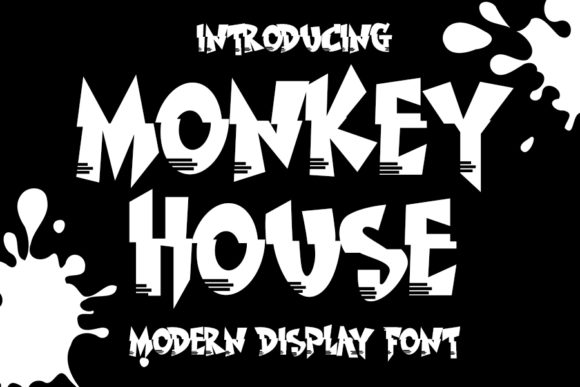
Recently, I embarked on a redesign of my lifestyle blog, and one of the most critical decisions was choosing the right font for the header. After some exploration, I stumbled upon Monkey House, a unique display font that instantly caught my eye. This premium font is not just visually striking; it also adds a distinctive personality to any creative idea.
Monkey House for Blog Headers and Article Titles
When it comes to creating a strong first impression, Monkey House is an excellent choice. Its playful yet refined character makes it perfect for blog headers and article titles. The font's rhythm and flow give a sense of movement and energy, which is ideal for capturing the reader's attention. In my blog, I used Monkey House for the main header, and it immediately set the tone for the entire site, making it feel more engaging and inviting.
Monkey House in Magazine Covers and Ebook Titles
For those working on digital magazines or ebooks, Monkey House can be a game-changer. Its unique style and readability make it stand out on covers and titles. I recently designed a recipe ebook, and using Monkey House for the title gave it a professional yet creative look. The font’s ability to command attention without overwhelming the design is a testament to its versatility. Whether you're creating a wedding guide or a coaching workbook, Monkey House can help establish a strong visual identity.
Monkey House for Pull Quotes and Section Headings
In editorial layouts, pull quotes and section headings are essential for breaking up text and drawing the reader's eye. Monkey House excels in these roles. Its bold and expressive nature makes it perfect for highlighting key points and adding a touch of flair. I used Monkey House for pull quotes in a recent digital magazine layout, and it added a dynamic element to the pages, enhancing the overall reading experience. The font's balance between creativity and readability ensures that it doesn't distract from the content but rather complements it.
Practical Considerations for Using Monkey House
While Monkey House is a fantastic choice for titles, subtitles, and decorative accents, it may not be the best fit for body copy or dense paragraphs. For longer reading, it's advisable to pair it with a clean, readable serif or sans serif font. This combination allows you to maintain the font's unique appeal while ensuring that the main content remains easy to read. Additionally, before using Monkey House in your projects, check for included styles, alternates, ligatures, and multilingual support. This will ensure that you have all the necessary tools to create a cohesive and polished design.
Monkey House in Print and Digital Formats
One of the strengths of Monkey House is its adaptability across different formats. Whether you're designing for print, such as a printable planner or a course PDF, or for digital platforms like a newsletter or a social media graphic, this font holds up well. Its modern typography and clear lines make it suitable for both screen and print, ensuring that your designs look great no matter where they are viewed. I recently created a series of worksheets for a coaching workbook, and Monkey House worked beautifully in both the digital and printed versions.
In conclusion, Monkey House is a versatile and unique display font that can elevate any creative project. Its ability to add a touch of elegance and personality, combined with its practicality, makes it a valuable addition to any designer's toolkit. Whether you're working on a lifestyle blog, a recipe ebook, or a digital magazine, Monkey House is sure to make your designs stand out.